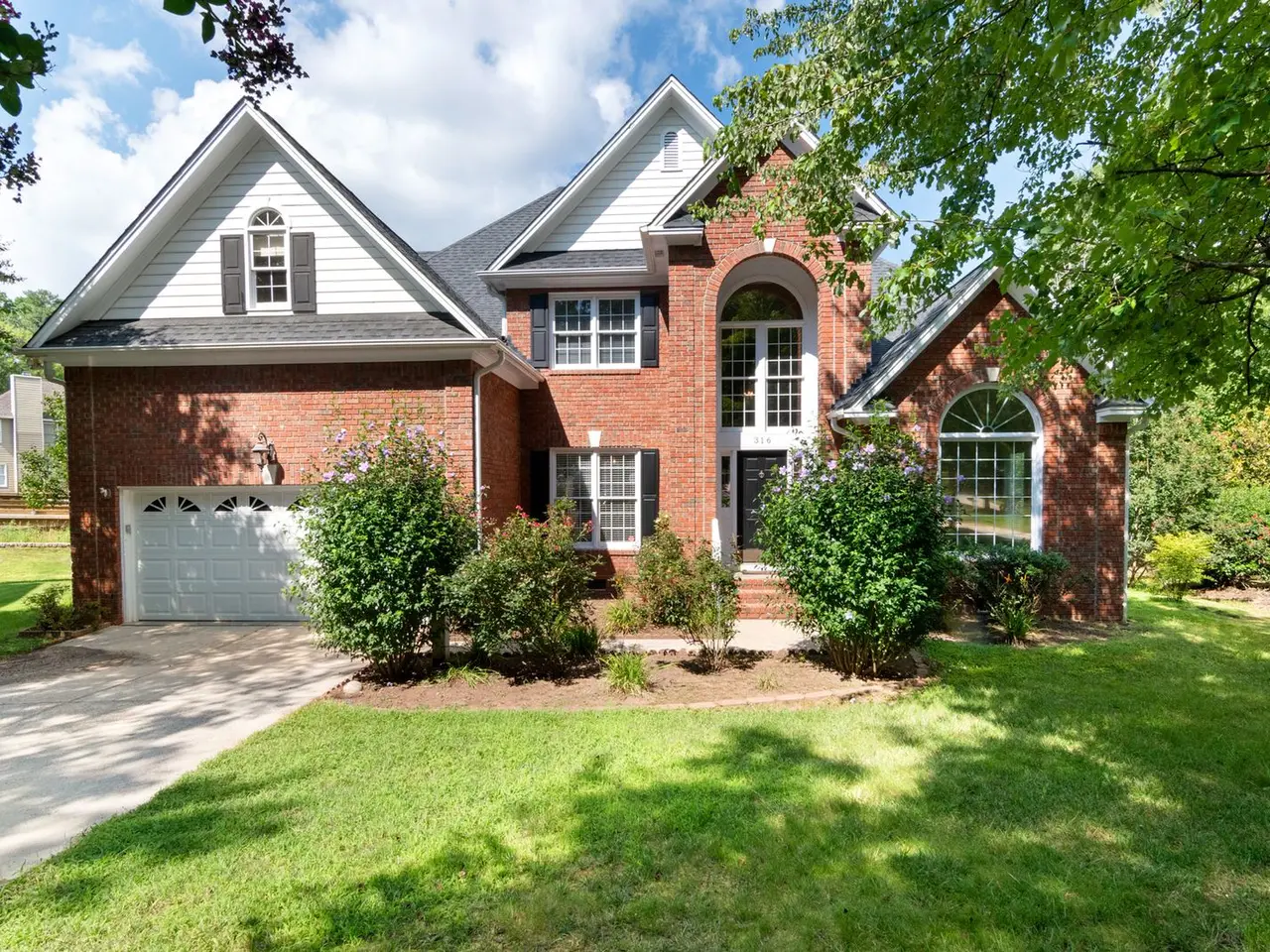
Three Kinds of Sealy Property, Three Sets of Questions
Sealy was laid out by the Gulf, Colorado and Santa Fe Railway in the 1870s on land bought from San Felipe, and the streets around Main and Fowlkes still hold houses and storefronts from the decades that followed. On the edges of town, production builders are putting up subdivisions such as Westward Pointe. Beyond the city limits the lots get bigger: one-acre homesites in places like Southfork Ranch and Rexville Ranch Estates, then working pasture, hay meadows and farmhouses toward Frydek, Cat Spring and the Brazos bottom.
One homeowners form does not treat all three the same way. This guide goes through the events that lead to claims in Austin County and what to ask about each, starting with the one most likely to happen.
If a Hailstorm Crosses Austin County
Wind and hail are the everyday threat to a roof here, and they do not need a hurricane. On May 23, 2017, a thunderstorm hit Sealy hard enough that the National Weather Service attributed the damage to a microburst with winds of 80 to 100 mph. Homes and businesses were badly damaged, power lines fell across I-10 and Sealy ISD closed its campuses the next day.
Two lines on your policy decide how a storm like that plays out for you:
- The wind and hail deductible. On most Texas home policies it is separate from the deductible for other losses and is figured as a percentage of the dwelling amount, commonly 1% or 2%. On a house insured for $300,000, 1% is $3,000 and 2% is $6,000. That is your share before the insurer pays anything on a roof.
- How the roof is valued. Replacement cost pays for a new roof. Actual cash value takes off depreciation for age and wear first, and on a 15-year-old roof the amount taken off can be a large share of the bill. Your declarations page or an endorsement will say which applies.
One more detail for a town with big pecans and live oaks: the Texas Department of Insurance notes that home policies generally do not pay for wind or hail damage to the trees and shrubs themselves. A limb through the roof is damage to the house. The tree is another matter.
If Your House Is Older Than Your Grandparents
Sealy has had a post office since 1880, and some houses in the original townsite go back to the early 1900s. Homes of that era are typically wood frame on pier-and-beam foundations, built long before modern electrical and plumbing codes. Owners sometimes worry that age alone makes a house uninsurable. Under Texas rules, TDI says, a company cannot turn you down just because of the age or value of your home, though it can charge more.
What insurers want to know is condition. Be ready to say when the roof was last replaced and when the wiring, plumbing, and heating and cooling were updated, and expect that a company may want an inspection. Keep receipts and permits from any renovation. They are the simplest way to show that a 1920s house has a much younger electrical panel.
Set the dwelling amount by what it would take to rebuild, not by what the house would sell for or what the appraisal district says. Old-growth lumber, tall ceilings, wood windows and beadboard are expensive to reproduce, so the rebuilding figure for an older home can sit well above its market price. Ask the agent how the estimate was built and whether it reflects the house you actually have.
If the Home Sits on Acreage
This is where Sealy differs most from a Houston suburb, and where assumptions cause the most trouble. A homeowners policy covers the dwelling and, under a part called other structures, things on the property that are not attached to it. TDI gives detached garages, storage sheds and fences as examples.
A hay barn, a shop full of tools, a set of working pens, a tractor, a stock trailer and thirty head of cattle are a different conversation. TDI describes farm and ranch insurance as the policy type meant for homes outside city limits on land used for farming and raising livestock. So before you rely on a homeowners policy for a country place, put these questions to the agent in plain words:
- Does my property qualify for a homeowners policy at all, given what I do on the land?
- Which outbuildings are covered, for how much, and does it matter that I use one for something that earns money?
- Are tractors, implements, ATVs and trailers covered for theft or damage, or do they need to be listed somewhere?
- Is there any coverage for livestock, hay or feed?
- If a cow gets out onto FM 2187 and a driver hits it, or a visitor is hurt around the animals, does the liability part of this policy respond?
- What about a pond, a deer lease, or a tenant who runs cattle on my grass?
None of those has a single answer across all policies, which is the point of asking. Agricultural valuation is a separate subject. That is a property tax matter handled by the Austin County Appraisal District in Bellville, and having it does not decide which insurance policy you need. But if you hold it, say so, because it tells the agent the land is in production.
Manufactured homes are common on rural tracts too. They are written on their own policy type. According to TDI, mobile home insurance covers the home itself, your belongings and additional living expenses, and includes liability protection.
If Water Is the Problem
Sort water into three kinds, because a policy does.
- Sudden and accidental. A supply line bursts, a water heater lets go. This is the kind home policies are designed to pay for.
- Slow. A leak that has been seeping under a pier-and-beam floor for months is the kind that is generally not covered. Backed-up sewers or drains and damage to a foundation or slab are typically available only as add-ons, so ask whether your policy has them.
- Rising from outside. Water from the Brazos, from Allens Creek or Bullinger Creek, or sheet flow across a pasture after ten inches of rain is flood. Homeowners insurance excludes it entirely. See flood insurance in Sealy for how that separate policy works and where the river has reached before.
If the Old Home Place Stands Empty
Families here often end up with a second house: a parent's home after a move to assisted living, or a farmhouse nobody lives in between tenants. TDI cautions that most companies stop coverage on a house that has been vacant for 60 days or more, although liability protection usually continues. Tell the agent when a house becomes empty and ask what is needed to keep it protected.
What the Policy Pays For, in Plain Terms
With the local wrinkles covered, the basic structure is the same as anywhere in Texas. A homeowners policy has six working parts: the dwelling (the house and what is attached to it), other structures (what is not attached), personal property (furniture, clothes, appliances, tools for personal use), loss of use (a place to stay and extra costs while the home is being repaired after a covered loss), personal liability (when you are legally responsible for hurting someone or damaging their property) and medical payments (small injury bills for guests, without regard to fault). Guns, jewelry, saddles and other valuables can run past the built-in limits for their category. Ask about listing them individually.
Keeping the Premium in Check
- Put the house and vehicles with one company and compare. See auto insurance in Sealy.
- Ask what credit applies for an impact-resistant roof, a recently replaced roof or a monitored alarm.
- Take a higher deductible only if the savings account can absorb it.
- Call after you add a shop, finish a room or replace the roof, so the coverage matches the property.
Buying, Refinancing or Just Shopping
Texas does not make anyone buy home insurance, but a mortgage lender will, and will want proof before closing and usually pays the premium from escrow afterward. If you are under contract on a Sealy house, start the quote right away. Have the address, the year built, the square footage, the age of the roof, a list of updates and, for a country property, a list of every outbuilding and what it is used for. The quote checklist spells it out. When you are ready, call our recommended agent in Katy. And if you own the business as well as the house, read the business insurance guide, since a home policy is not written for commercial activity.
Home Insurance in Sealy: Common Questions
Will a homeowners policy cover my barn and my tractor?
Do not count on it without asking. Homeowners policies include coverage for other structures on the property, and the Texas Department of Insurance gives detached garages, sheds and fences as examples. Whether a barn used for an agricultural operation, or equipment such as a tractor, is covered depends on the policy and how the property is used. TDI describes farm and ranch insurance as the policy type for homes outside city limits on land used for farming and raising livestock. Describe your place to the agent and get a specific answer.
Can an insurer refuse my house in Sealy because it was built in 1910?
Not for age alone. The Texas Department of Insurance says companies cannot turn you down just because of the age or value of your home, though they can charge more. Condition is a different matter, so expect questions about the roof, wiring and plumbing, and possibly an inspection.
How much is the wind and hail deductible on a Sealy home?
It is whatever percentage your policy states, applied to the dwelling coverage amount. One percent and two percent are both common in Texas. For a home insured at $300,000 that works out to $3,000 or $6,000. Look for the figure on your declarations page and convert it to dollars so there is no surprise after a storm.
Is flood damage from the Brazos River or a local creek covered?
No. Homeowners policies exclude damage from rising water, whether it comes from the Brazos, a creek, or rain that pools on flat ground and enters the house. Flood coverage is a separate policy through the National Flood Insurance Program or a private flood insurer.
Is the amount on my appraisal district notice the right amount to insure for?
No. The Austin County Appraisal District estimates market value for property tax purposes, and that figure includes the land. Insurance should be based on what it would cost to rebuild the structure today with current labor and material prices. The two numbers can be far apart in either direction.
What kind of policy covers a manufactured home on a rural lot?
A mobile home policy rather than a standard homeowners policy. The Texas Department of Insurance says mobile home insurance covers the home, your personal property and additional living expenses, and provides liability coverage. Flood is still separate.